

Confucius was a Chinese teacher, editor, politician, and philosopher of the Spring and Autumn period of Chinese history.
The philosophy of Confucius emphasized personal and governmental morality, correctness of social relationships, justice and sincerity.
His followers competed successfully with many other schools during the Hundred Schools of Thought era only to be suppressed in favor of the Legalists during the Qin Dynasty. Following the victory of Han over Chu after the collapse of Qin, Confucius' thoughts received official sanction and were further developed into a system known in the West as Confucianism.
Confucius is traditionally credited with having authored or edited many of the Chinese classic texts including all of the Five Classics, but modern scholars are cautious of attributing specific assertions to Confucius himself. Aphorisms concerning his teachings were compiled in the Analects, but only many years after his death.
Confucius's principles had a basis in common Chinese tradition and belief. He championed strong family loyalty, ancestor veneration, and respect of elders by their children and of husbands by their wives. He also recommended family as a basis for ideal government. He espoused the well-known principle "Do not do to others what you do not want done to yourself", the Golden Rule.
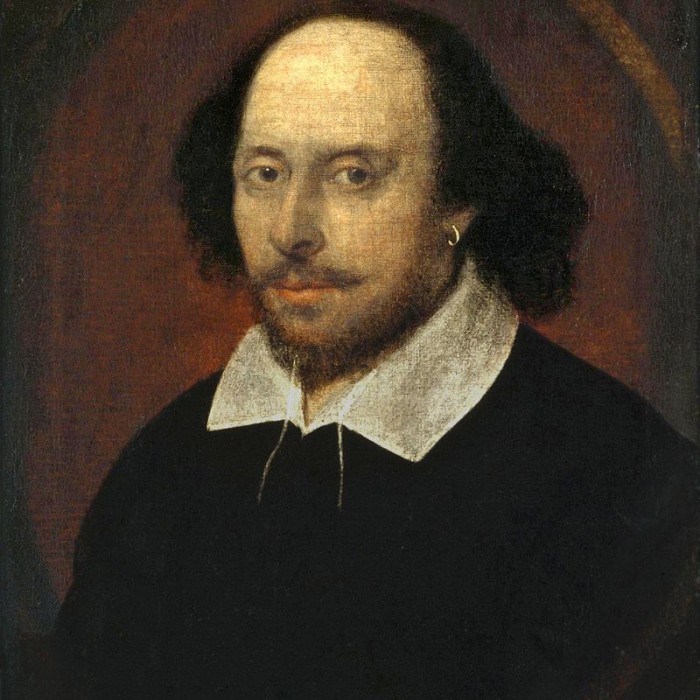
1564 - 1616
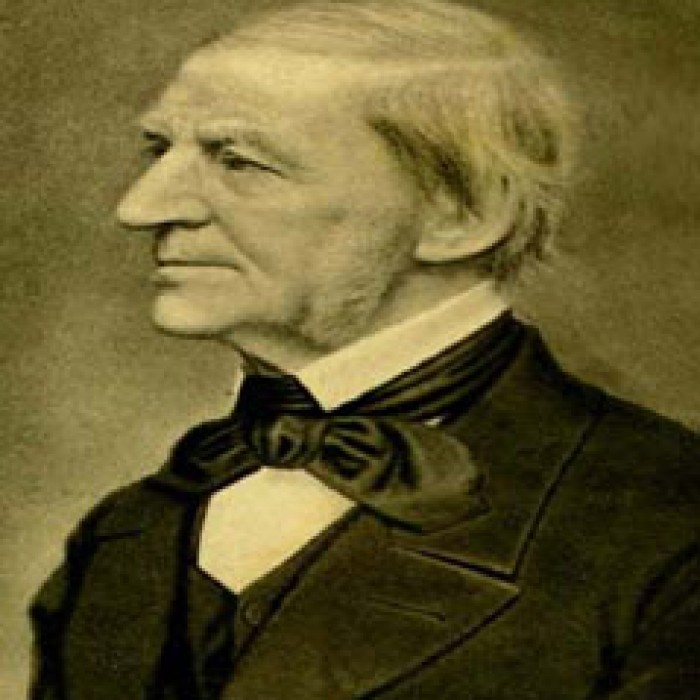
1803 – 1882
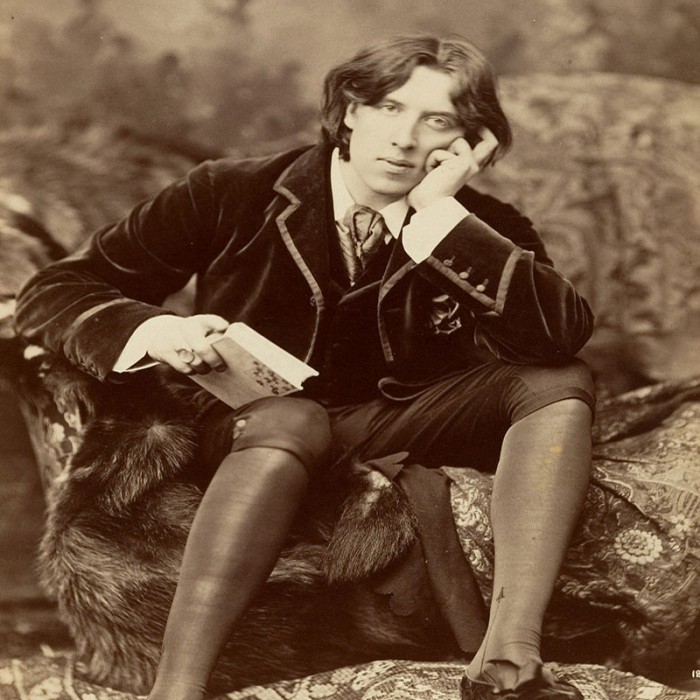
1854 – 1900

1942 – 2016

1928 – 2014

1835 – 1910
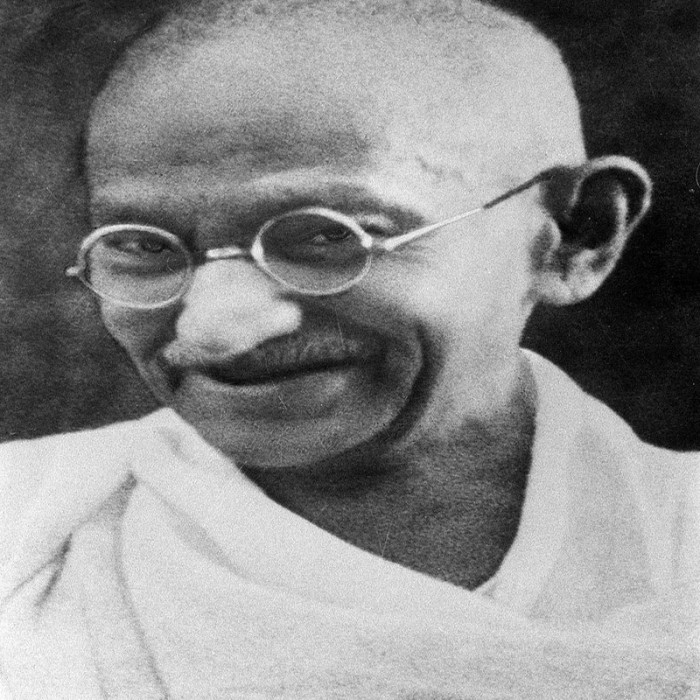
1869 – 1948

1884 – 1962

1898 – 1963

1929 – 1993
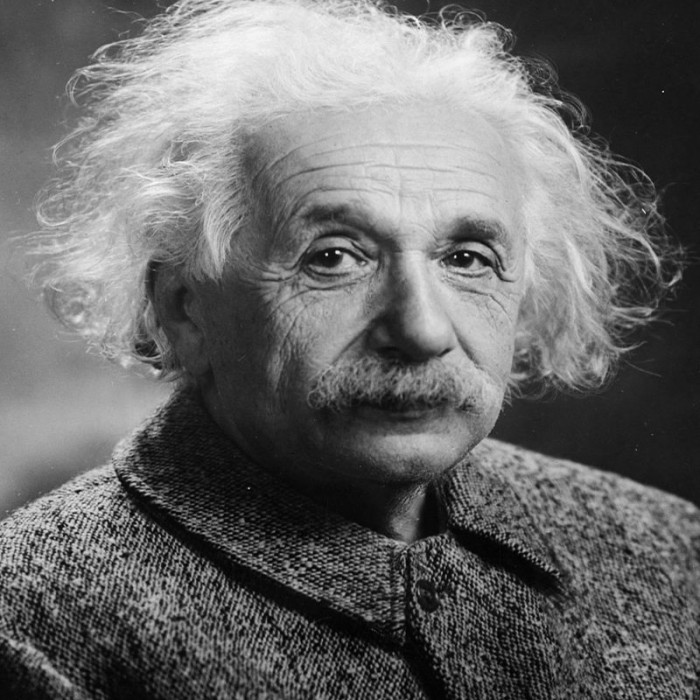
1879 – 1955

1809 – 1865

1775 – 1834

1811 – 1863

1815 – 1882

1778 – 1830

1812 – 1889

1856 – 1915

1783 – 1859

1843 – 1916

1840 – 1928

1850 – 1919


